In the Light of Tesla
An Inventor’s Legacy
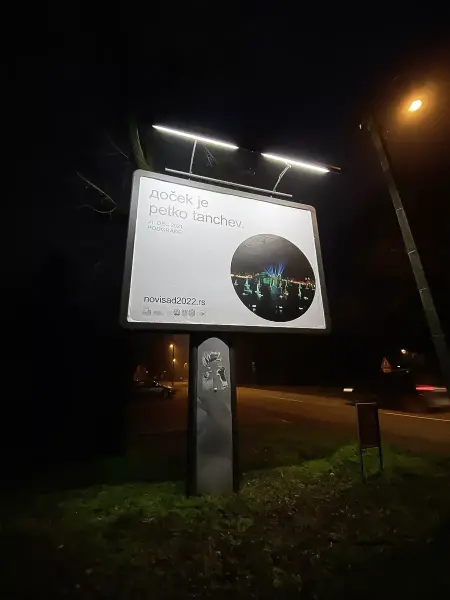
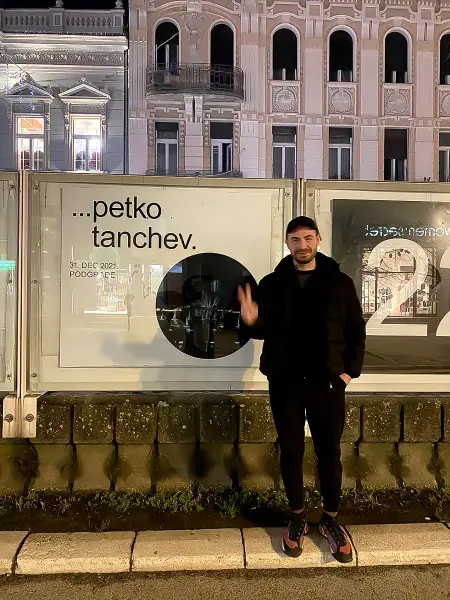
Presented on 31 December 2021 in Novi Sad, Serbia, the opening ceremony of Tesla Light Gallery formed part of Doček and the official programme of Novi Sad 2022 European Capital of Culture. The celebration honoured Nikola Tesla, who became the city’s first honorary citizen in 1936, bringing his legacy into its streets and public spaces.
The project explores light as a principle connecting different levels of existence. The baroque surroundings of the Suburbium of Petrovaradin Fortress become a meeting place for artistic interpretations of Tesla’s inventions, ideas, and unfulfilled dreams. Developed in collaboration with curator Milica Stojšić, choreographer Staša Kukić, composer Miroslav Novaković, and the production teams, Petko Tanchev’s concept combines recognizable references with abstract imagery. Light, sound, and movement offer complementary interpretations of Tesla’s perception of the world and the ways he changed it.
Images of Energy
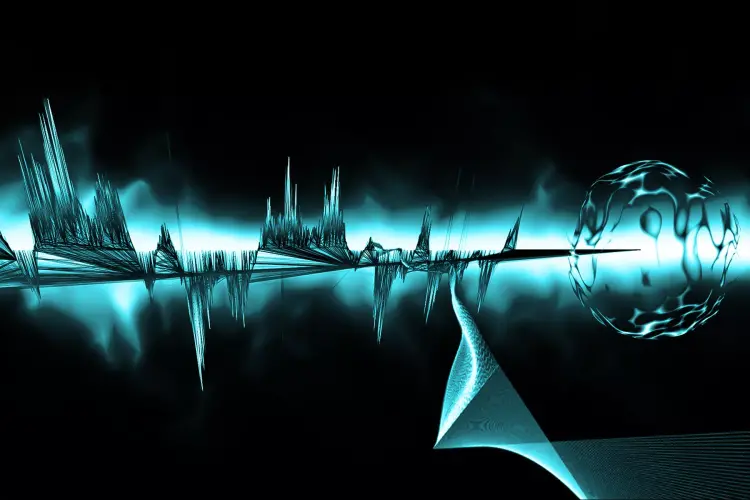
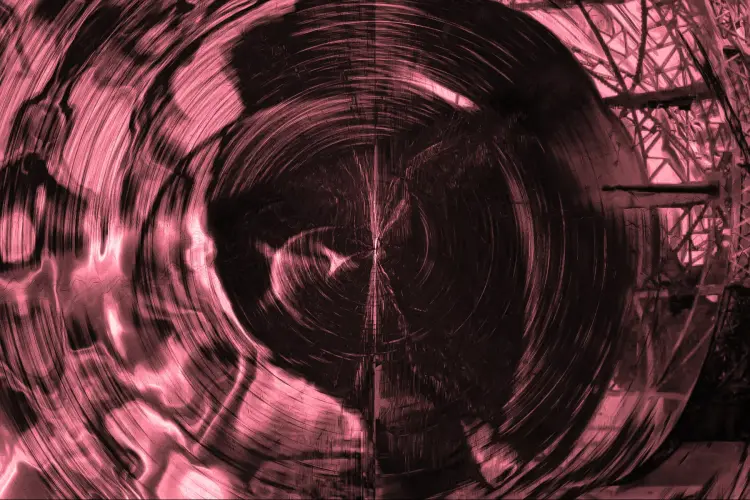
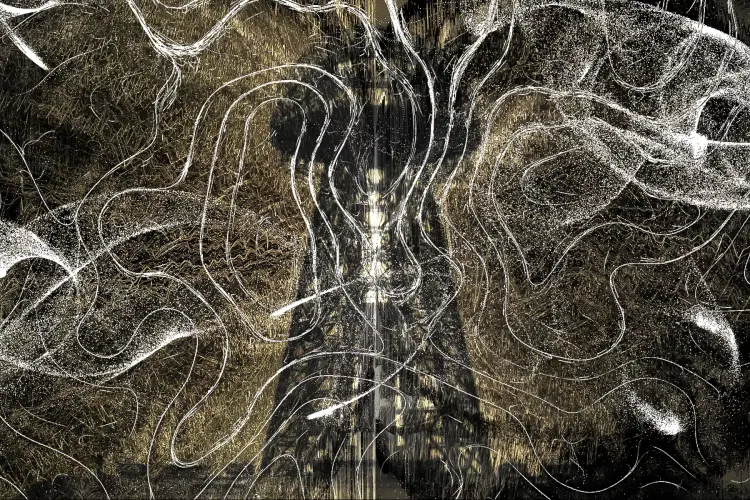
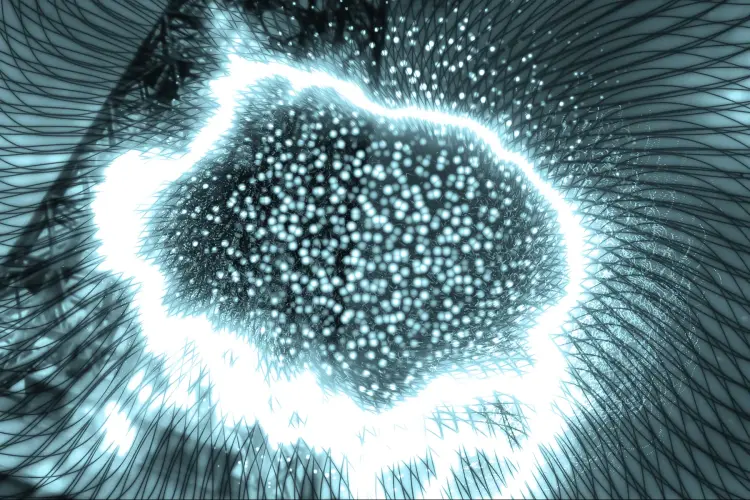
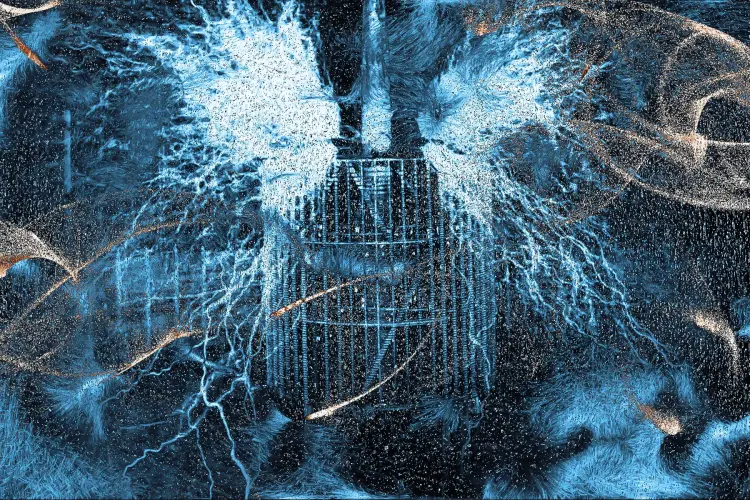
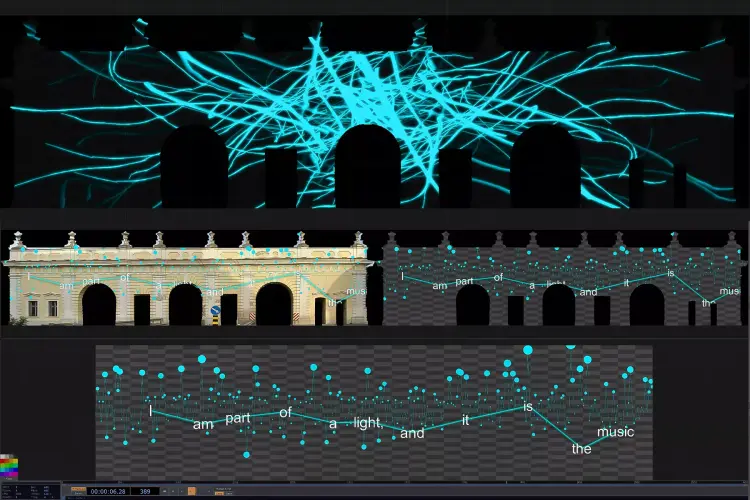
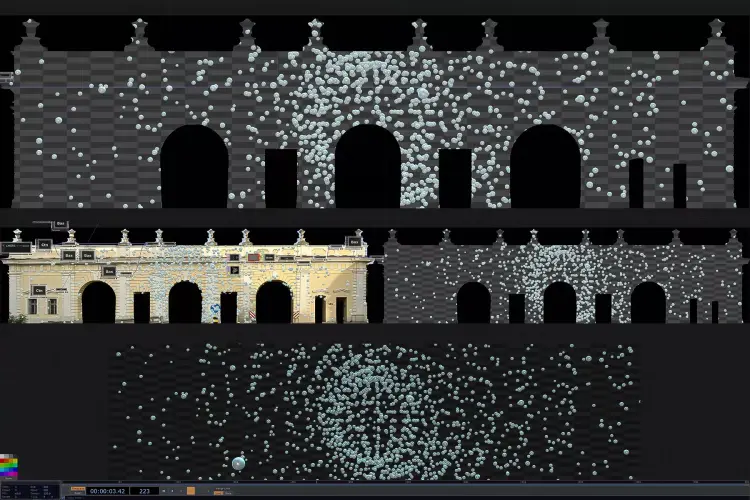
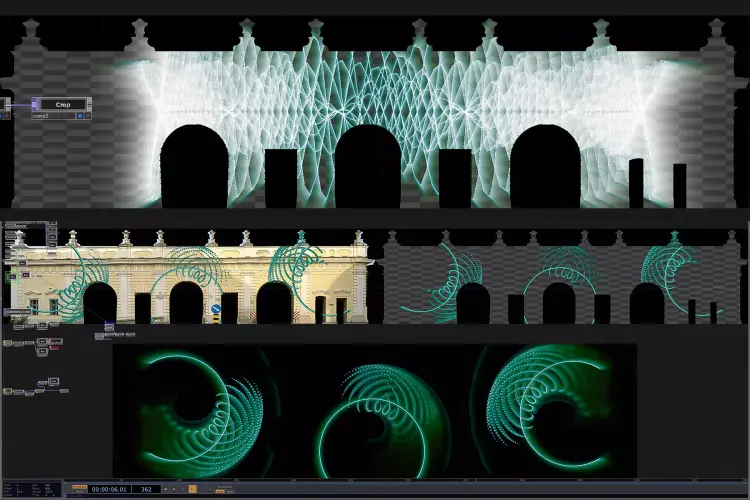
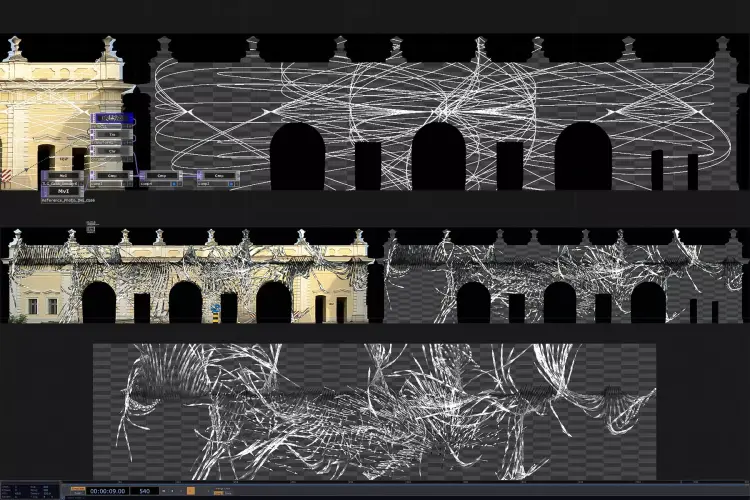
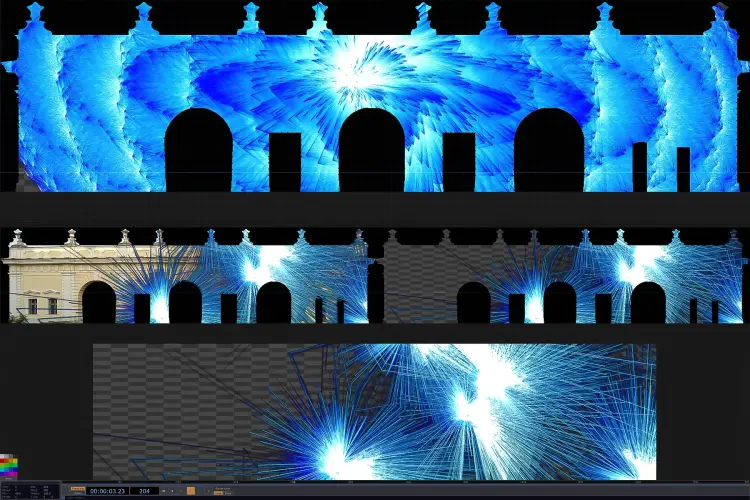
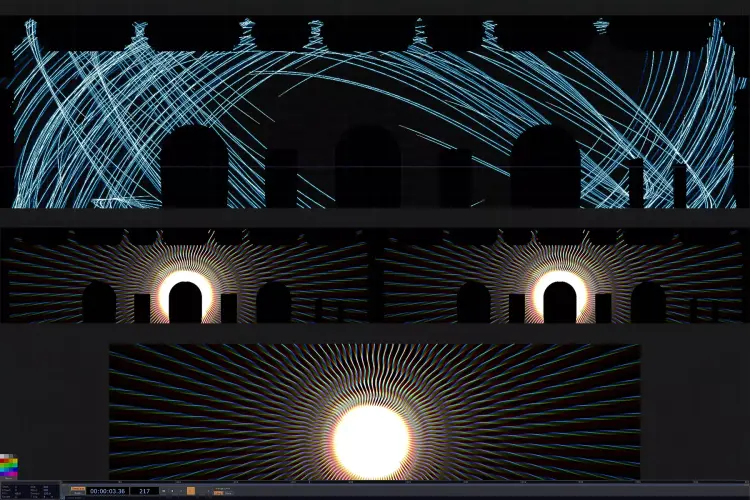
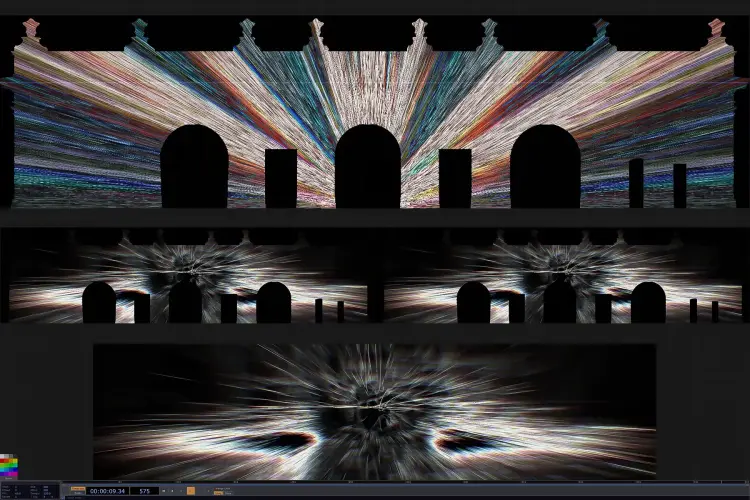
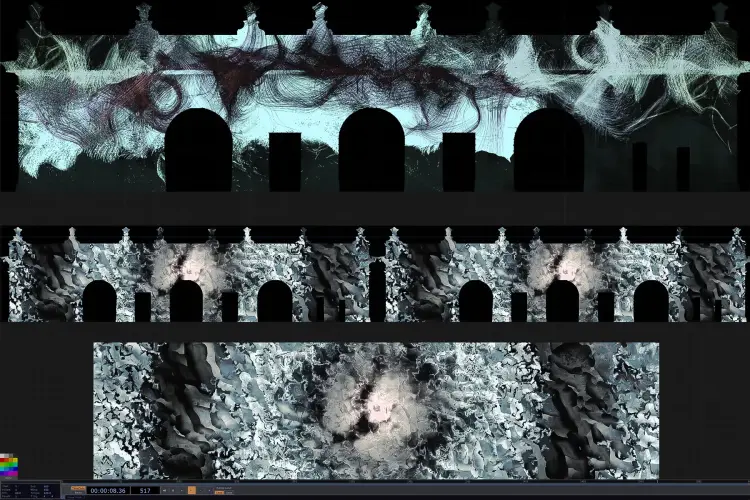
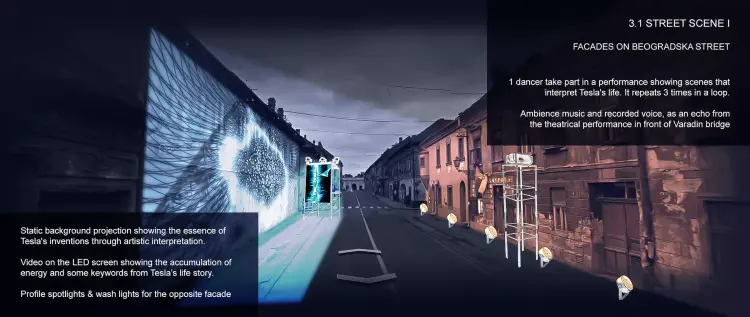
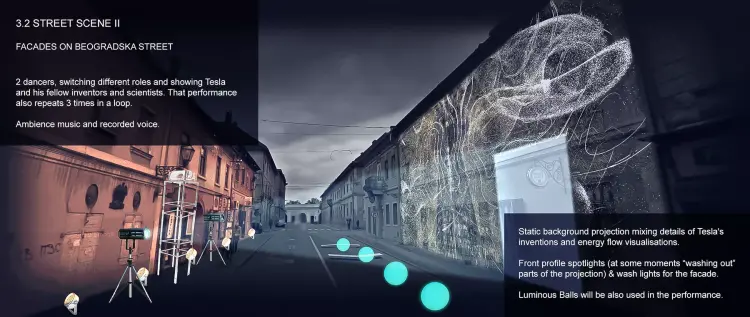
The projection content combines digital drawing, generative processes, and custom texture treatments. Branching lines, particles, and layered structures suggest energy accumulating and dispersing across the buildings. The proportions, openings, and decorative details of each facade influence the composition.
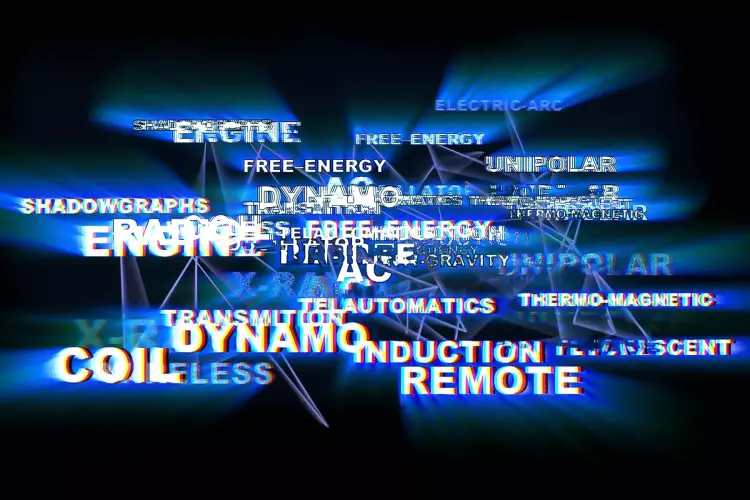
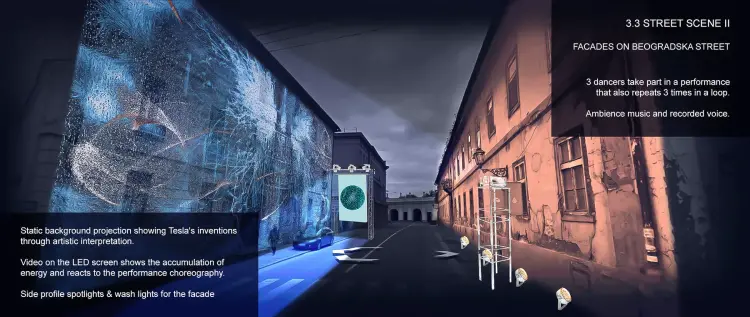
Three street scenes explore aspects of Tesla’s childhood and learning, professional relationships, and personal life. Words and fragments of language also become visual material, gathering and accelerating in relation to music and choreography.
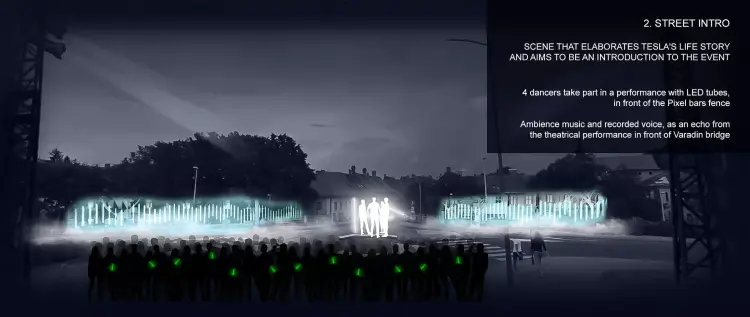
Mapped facades establish a wider visual environment, while LED screens create more concentrated encounters with performers. Doorways and architectural details become elements of the staging, bringing the projected compositions and live action into the same physical setting. Rather than illustrating every action, the imagery offers another expressive layer, allowing biographical references to coexist with more abstract interpretations.
The Illuminated Route
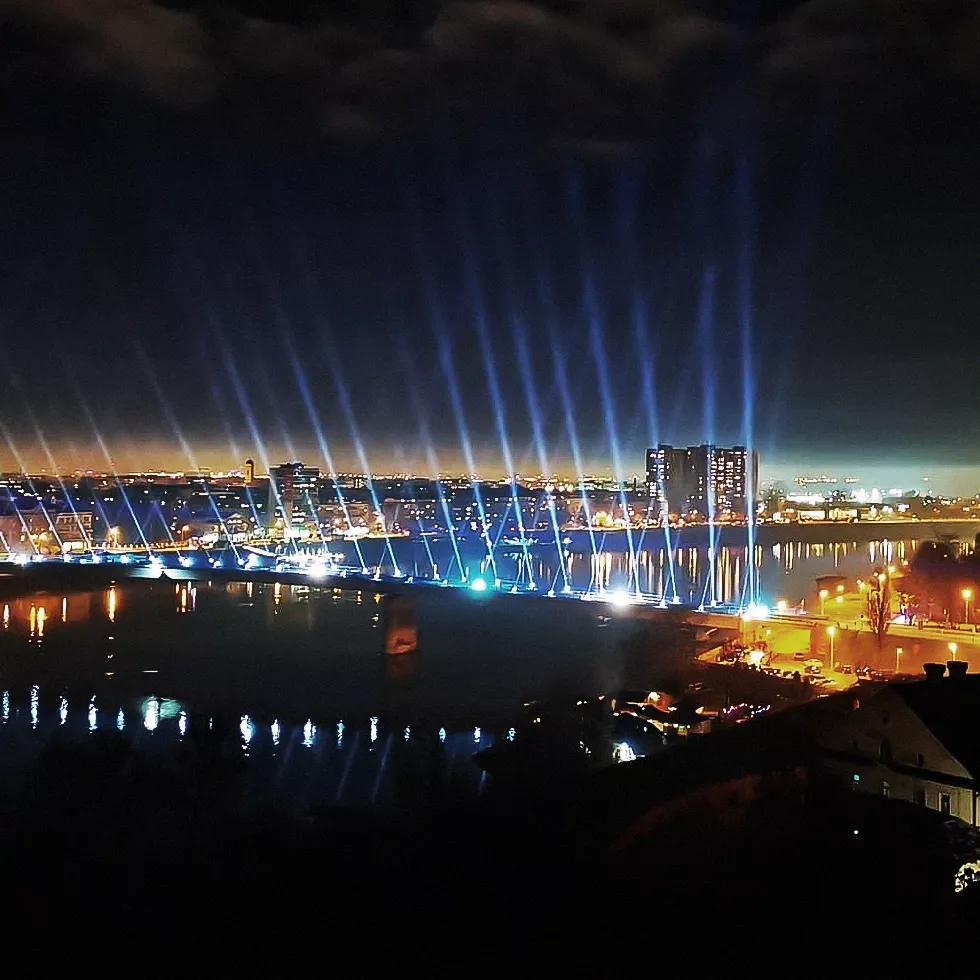
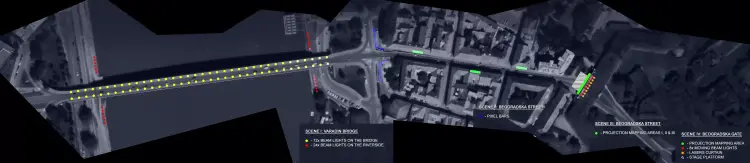
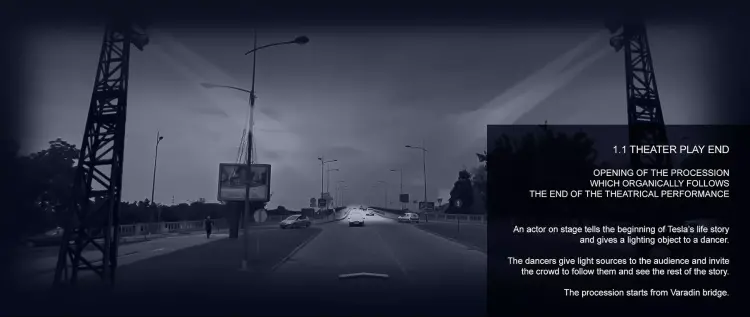
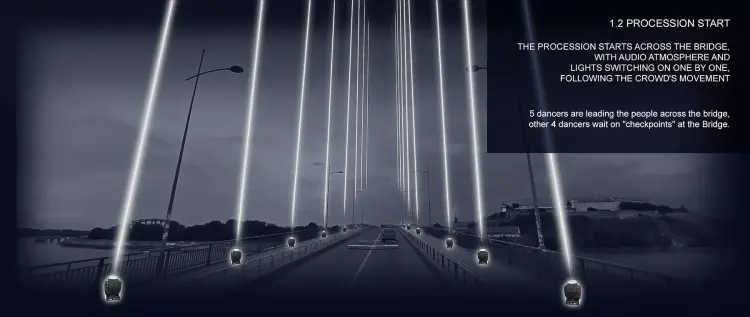
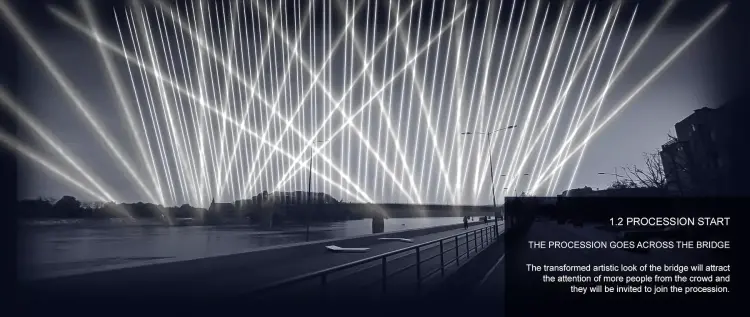
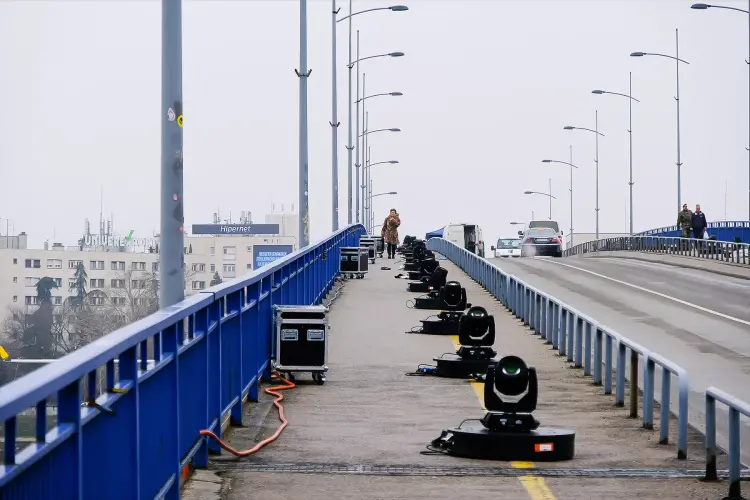
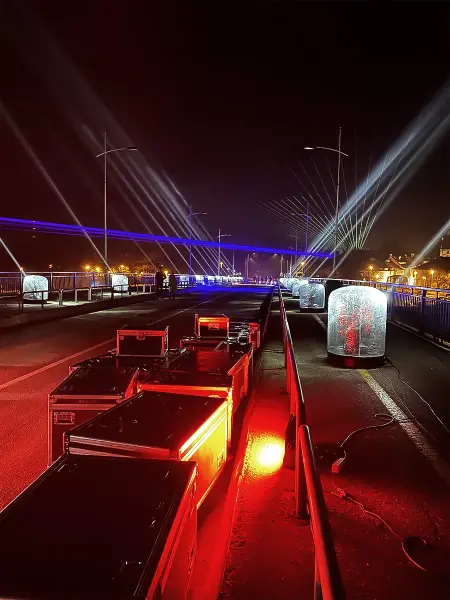
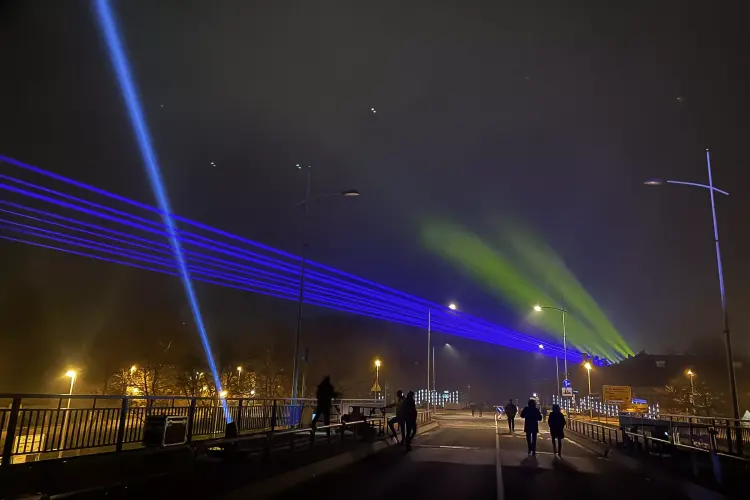
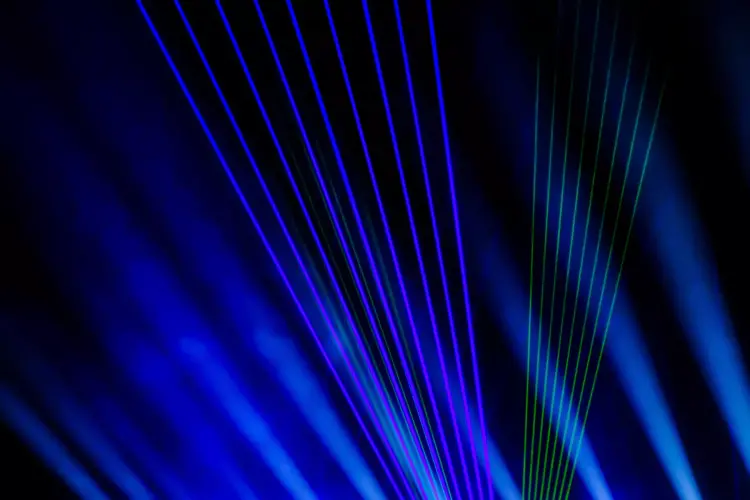
The procession connects the two banks of the Danube, leading audiences across Varadin Bridge, through Beogradska Street, and toward Belgrade Gate. Each location introduces a different scale of experience: the expansive river crossing, closer encounters with street performances, and the final gathering before the gate. With more than a hundred beam lights, the bridge installation gives the opening a presence visible across the city. Beams trace the crossing and extend into the sky, turning the bridge into a monumental composition that audiences can experience both from within the procession and from distant viewpoints.
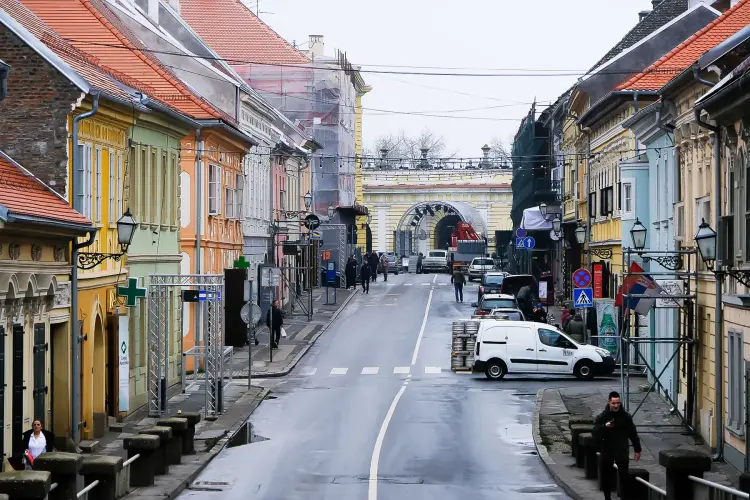
Along Beogradska Street, short repeating scenes allow successive groups to encounter the action. The scale shifts from the skyline to the surrounding facades and performers, as different sources of light shape the journey through the historic streets.
Where Light Converges
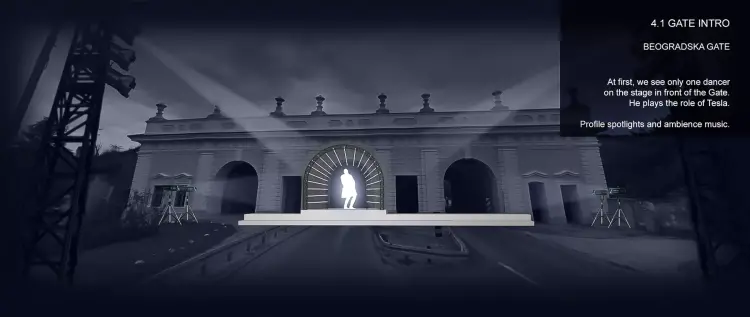
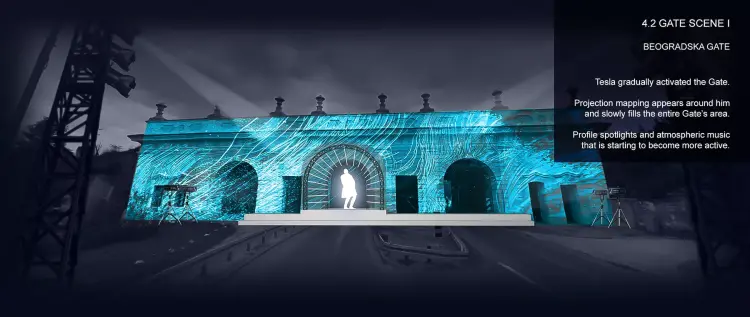
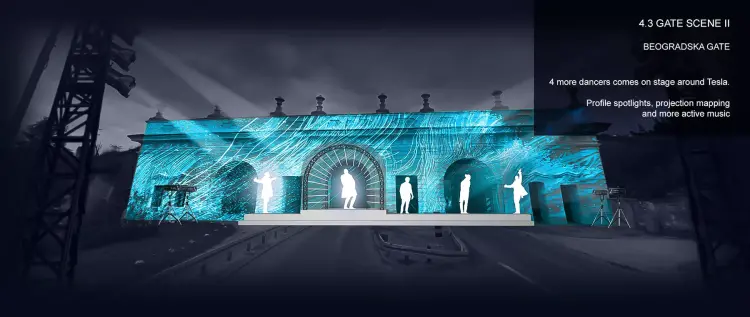
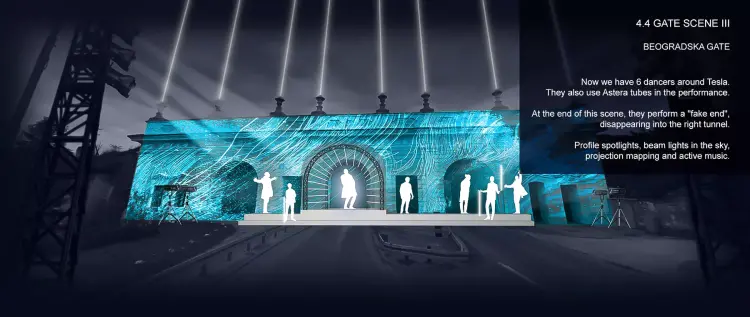
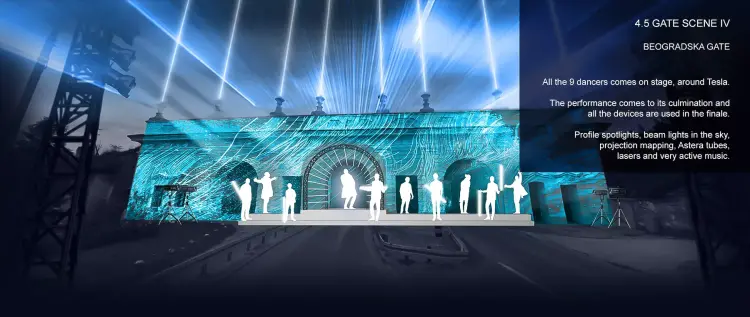
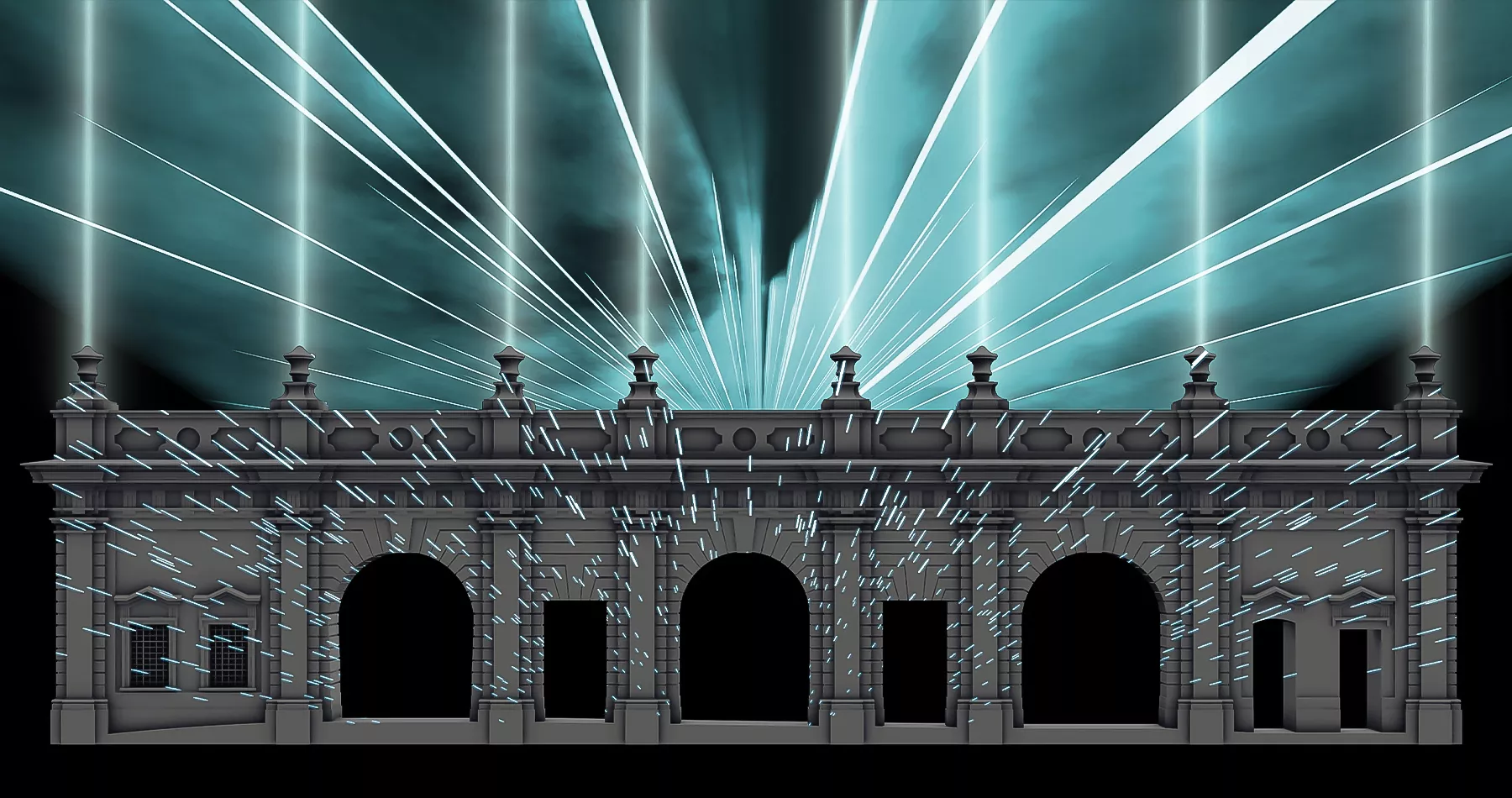
Belgrade Gate brings the opening’s visual and performative elements together. The sequence was conceived as a gradual activation of the architecture, beginning around its illuminated central passage and expanding across the facade as the performance develops.
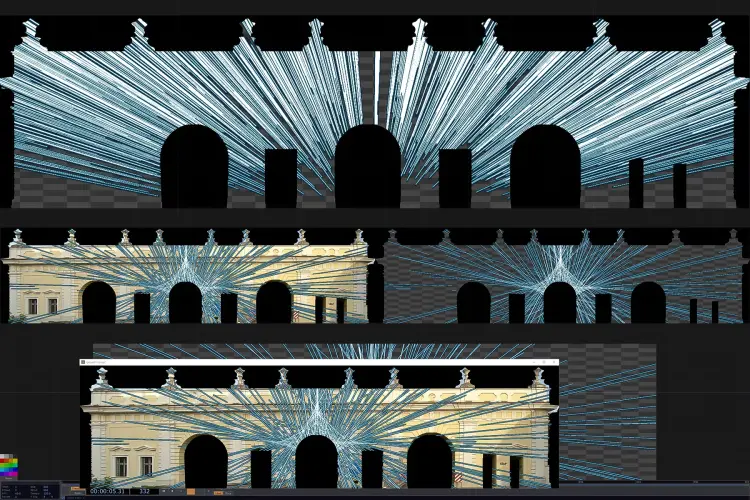
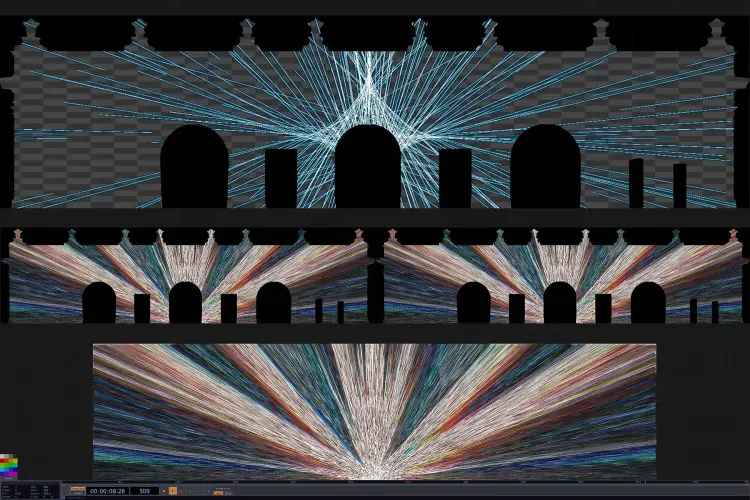
Dynamic mapping, three-dimensional effects, and generative objects give the gate a changing visual character. Above it, lasers form continuous abstract lines in the sky, extending the composition far beyond the building. Visible from a great distance, these lines give the finale a presence beyond the immediate gathering. Projection, beams, and laser light offer distinct ways of exploring the relationship between energy, space, and Tesla’s ideas. Quieter passages create pauses before these elements converge with the performers and music in the closing sequence.
From Concept to Realization
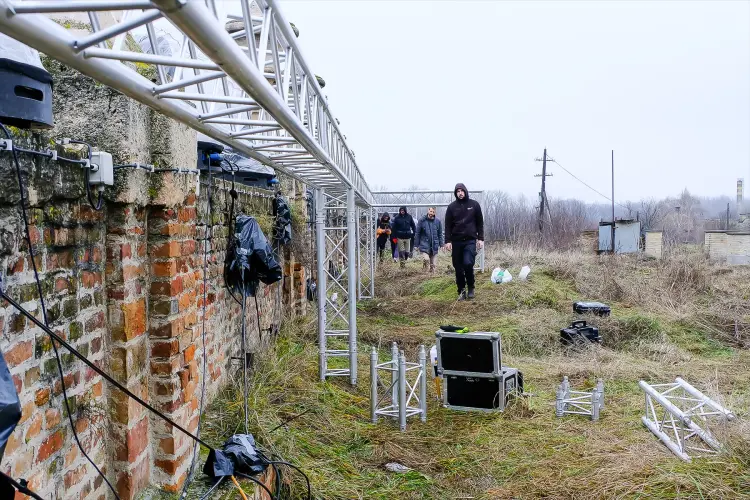
Following research visits, Tanchev developed site plans, photographic mockups, and scene visualizations to communicate his concept and plan the overall setup. These studies explored how the installations would occupy each location, appear from different viewpoints, and relate to the performers and audience.
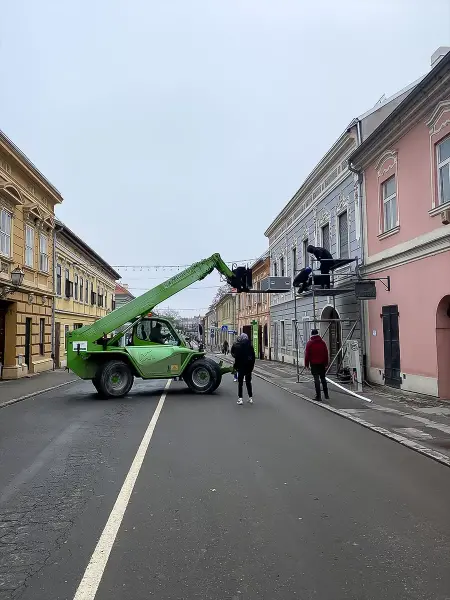
Working with the festival’s technical team and rental companies, he proposed practical approaches to realizing the design. Scene-specific requirements identified suitable lighting fixtures, lasers, projectors, placement, and control options. Particular attention went to adapting equipment to the architecture and illuminating performers without overpowering the projected imagery.
This preparation gave the projection content and lighting design a shared spatial framework. Each installation responds to its immediate surroundings while contributing to the continuity of the procession.
Further information about the Doček 2022 artistic programme is available here.